
10.05.2025
Рекордный турпоток на Канары в 2025 году сопровождается волной недовольства местных жителей
обновлено 10.08.2026
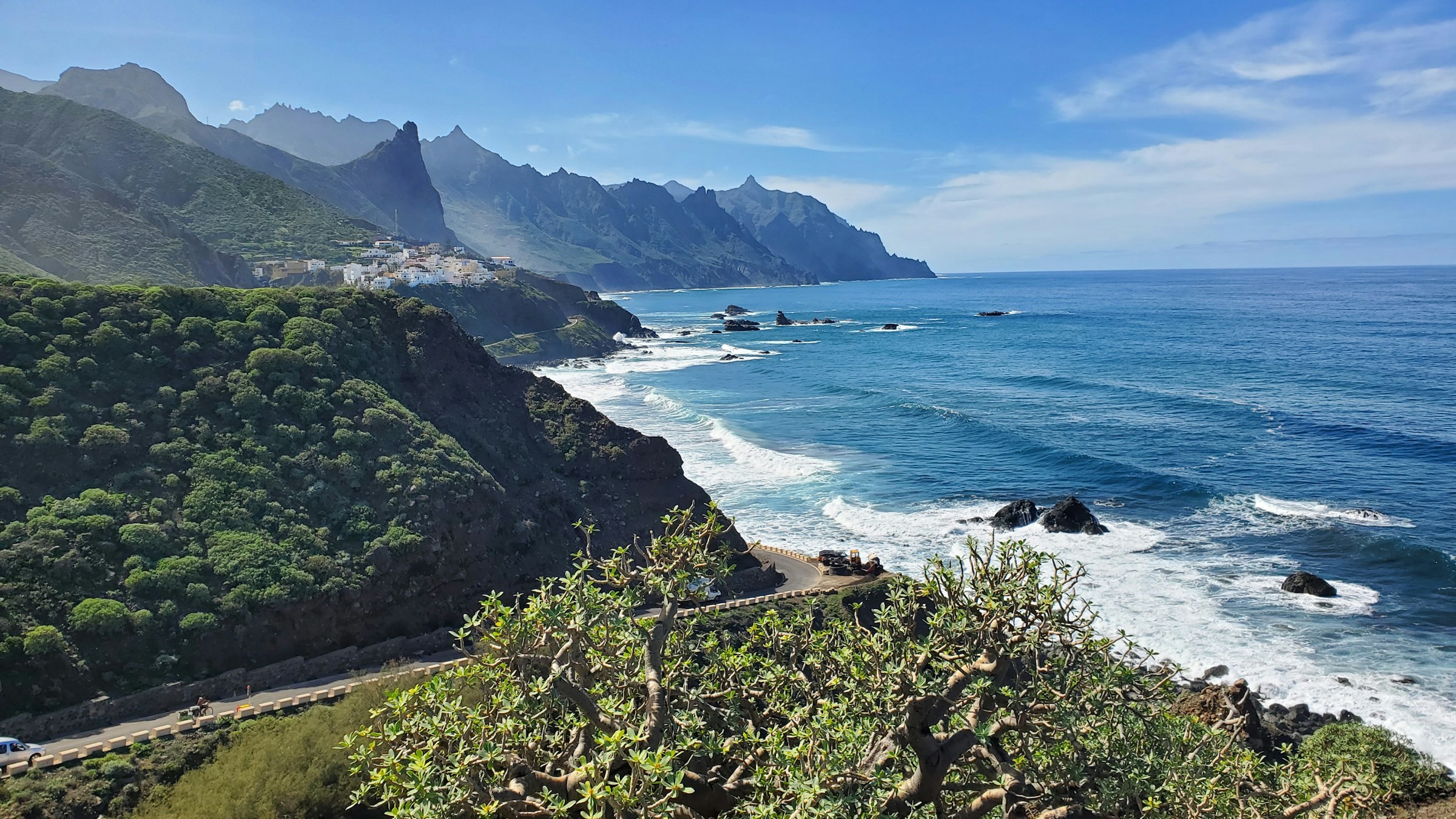
Туристический поток на Канарские острова вырос на 2,1% в первом квартале 2025 года. Согласно официальной статистике, архипелаг в Атлантическом океане посетили рекордные 4,36 миллиона иностранных туристов в период с января по апрель. Только в марте число прибывших превысило 1,55 миллиона человек. Основной рынок — Великобритания, на которую приходится более 40% зарубежных гостей. Наибольшей популярностью пользуется Тенерифе, за ним следует Гран-Канария.
Несмотря на массовые протесты местных жителей против чрезмерного турпотока, доходы от туризма продолжают расти. По данным Canarian Weekly, туристические траты достигли рекордной суммы — 6,86 миллиарда евро за квартал, что на 5,46% больше, чем в прошлом году. Этот рост почти вдвое превышает прирост числа туристов, что эксперты расценивают как сигнал инфляционного давления.
Канарские острова, являющиеся самой южной автономией Испании, расположены у побережья Марокко. Образованные вулканической активностью, они известны своими черными и белыми пляжами, бирюзовой водой и мягким климатом круглый год. Кроме вечеринок и ночной жизни, архипелаг предлагает винодельни, дюны и идеальные условия для занятий ветренными видами спорта.
Однако рост турпотока вызывает всё большее недовольство среди местных жителей. Акции протеста против туризма проходят регулярно, включая агрессивные надписи и призывы к насилию. Особую тревогу вызывает нехватка воды и неудовлетворительные условия труда в гостиничном секторе, где уже в этом году бастовали около 80 тысяч работников.
Власти начинают реагировать на обеспокоенность населения. Так, на Тенерифе с 2026 года планируют ввести экологический сбор для не-резидентов при посещении национального парка Тейде, где находится самая высокая точка Испании — вулкан Тейде. По словам президента островного совета Розы Давилы, собранные средства направят на экологические проекты. Также планируется ограничить въезд автомобилей в парк, заменив их электрическими шаттлами.
Тем не менее, остаётся неясным, достаточно ли этих шагов для смягчения общественного недовольства. Уже 18 мая ожидается масштабная акция протеста движения Canarias Tiene Un Límite (У Канар есть предел), представители которого заявляют: «Сегодня наша зависимость от туризма максимальна, жильё становится недоступным, растут бедность и социальное неравенство, а уникальная природа архипелага стремительно исчезает на фоне масштабных инвестпроектов». Участники требуют кардинальной смены модели развития, которая обеспечит достойное будущее местным жителям.
#Spain