
05.03.2025
Испанская Каталония повышает туристический налог
обновлено 10.08.2026
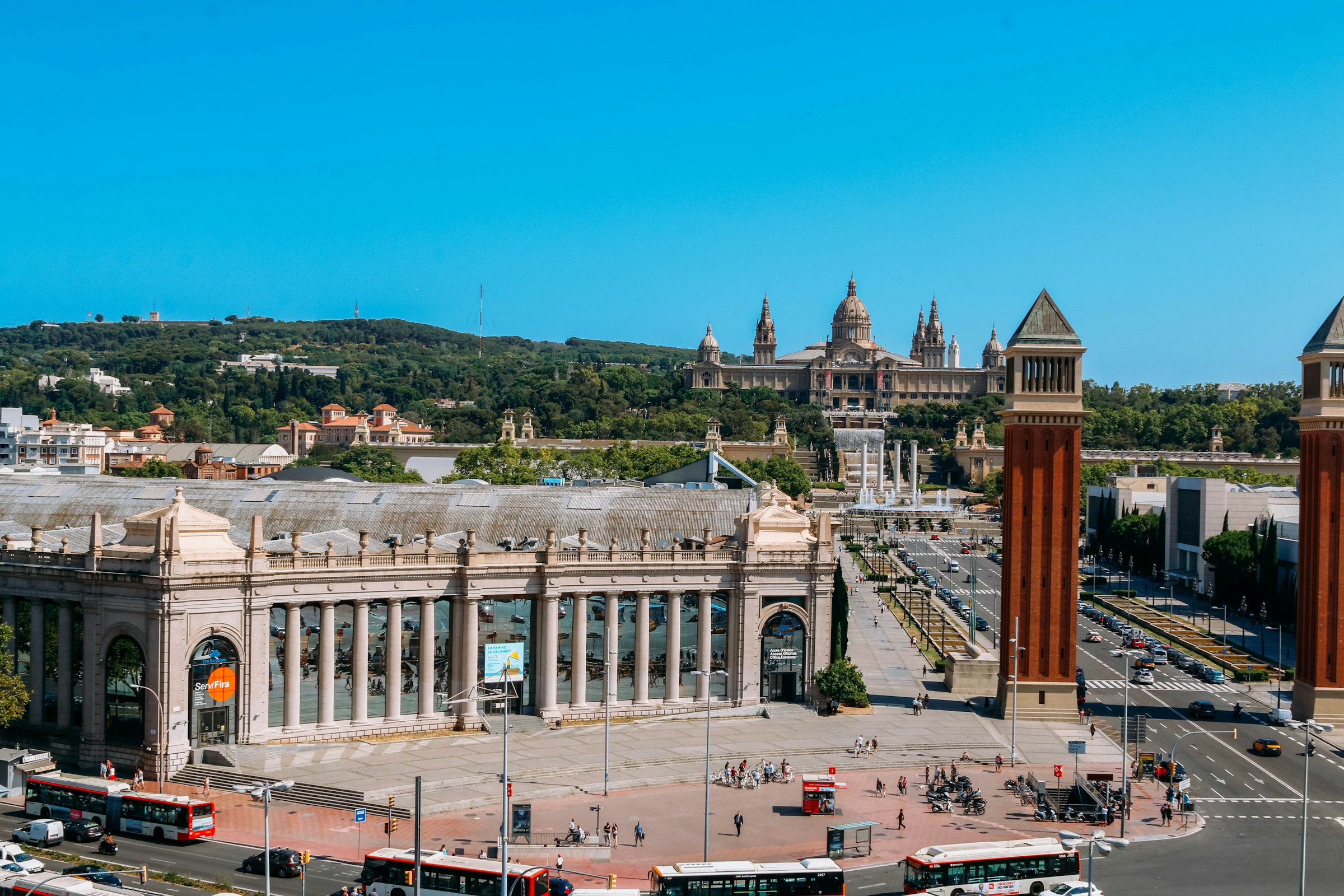
К концу 2025 года отдыхающие в северо-восточной части Испании, в регионе Каталония, будут платить повышенный сбор за проживание. Власти обосновывают эту меру стремлением одновременно решить проблему чрезмерного потока туристов и нехватки доступного жилья.
На большей части территории Каталонии дополнительный сбор будет варьироваться от 1,20 до 6 евро в сутки в зависимости от типа размещения. Однако в Барселоне, где проблема овертуризма стоит острее всего, размер налога возрастёт ещё больше: например, с туристов в кемпингах будет взиматься минимум 2 евро дополнительно в день, а гостям пятизвёздочных отелей придётся доплачивать до 7 евро. В совокупности с другими взносами, принятыми в столице региона, некоторые гости могут в итоге столкнуться с дополнительными затратами до 15 евро за ночь.
От кемпингов до круизных лайнеров
Несмотря на то, что новая сумма практически вдвое превышает действующие тарифы, официальный представитель парламента Давид Сид считает её оправданной. По его словам, путешественникам, которые могут потратить 400–500 евро за ночь в отеле, вполне доступно выделить ещё 7 евро сверх этой суммы.
Любители круизов также не избежат дополнительных сборов. Пассажиры судов, стоящих в порту Барселоны, должны будут платить до 6 евро, а для тех, кто остаётся в городе свыше 24 часов, введён отдельный туристический платёж в размере 4 евро в сутки.
25% средств – на жильё для местного населения
В 2024 году за счёт туристического налога Каталония получила около 90 млн евро. Предполагается, что после увеличения ставок поступления достигнут 200 млн евро ежегодно. Из этой суммы 25% власти намерены направить на жилищные проекты, поскольку высокая стоимость аренды давно вызывает недовольство у местных жителей. По данным Каталонского жилищного агентства, за минувшее десятилетие арендная плата выросла на 70%, тогда как уровень доходов не показал сопоставимого роста. Наряду с этим фиксируются и иные проблемы, связанные, в частности, с повышенной нагрузкой на водные ресурсы.
Сложившаяся ситуация уже спровоцировала общественные акции протеста, появление граффити с призывами к туристам уехать домой, а также нападения на объекты туристического сервиса на Канарских островах. В ответ власти ввели ряд ограничений на краткосрочную аренду в некоторых регионах и вдвое подняли налог при покупке недвижимости гражданами, не входящими в ЕС.
Будет ли это иметь долгосрочный эффект на популярность Испании?
Пока неясно, окажут ли эти меры влияние на общий туристический поток. В 2024 году страну посетили 94 млн иностранных гостей – это рекорд и всего на шесть миллионов меньше, чем во Франции, занимающей первое место в мире по числу визитеров.
#SpainSchengen