
20.01.2025
Власти Киото планируют увеличить налоги на размещение туристов в 10 раз
обновлено 10.08.2026
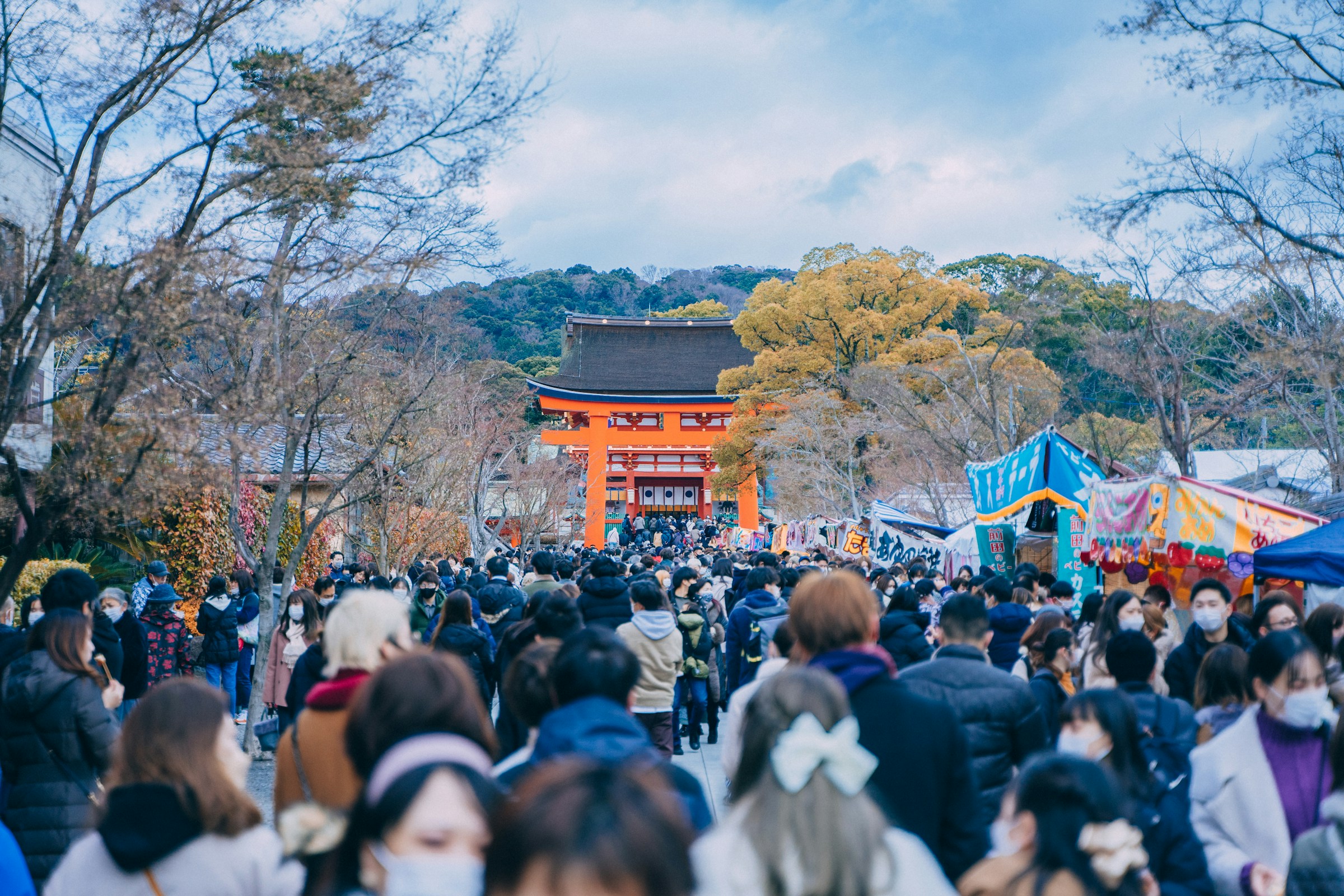
Власти города Киото предложили увеличить туристический налог на проживание, чтобы снизить негативное воздействие массового туризма на местное сообщество. Эти планы, обнародованные 14 января 2025 года, предполагают рост налогов на гостиницы и другие варианты размещения, в зависимости от стоимости проживания.
Какие будут изменения?
Повышение ставок налога вступит в силу только в 2026 году, так как решение еще предстоит одобрить городскому собранию Киото. Согласно предложению, налог будет прогрессивным:
- Для размещения стоимостью до 5999 иен за ночь налог составит 200 иен (около 1,25 €).
- Для номеров с ценой от 6000 до 19 999 иен — 400 иен (2,50 €).
- Если стоимость ночи находится в диапазоне от 20 000 до 50 000 иен, налог увеличивается до 1000 иен (примерно 6,25 €).
- Для люксов стоимостью свыше 100 000 иен (около 625 €) налог возрастет до максимального уровня в 10 000 иен (62,50 €), что почти в 10 раз выше текущего предела в 1000 иен.
Зачем нужно повышение?
По официальным данным, новые налоги позволят увеличить доходы города более чем на 10 миллиардов иен — вдвое больше, чем было собрано в 2023 году. Эти средства пойдут на управление туристическим сектором, решение вопросов перенаселенности и поддержку местных жителей и бизнеса.
Проблема массового туризма стала актуальной для многих регионов Японии. Слабый курс иены, рост числа туристов после пандемии и успешная маркетинговая стратегия привели к рекордным 35 миллионам прибытий в 2024 году. Киото — не единственный регион, который ищет способы справиться с наплывом туристов. На горе Фудзи, например, ввели плату за вход на популярные тропы и установили барьеры для предотвращения опасного поведения туристов. На знаменитом плавающем храме Ицукусима также начали взимать плату за посещение.
Мнения разделились
Одной из причин проблем в Киото стал интерес туристов к местным гейшам. Для сохранения их приватности пришлось установить таблички, запрещающие проход по отдельным улицам. Местные жители в основном поддерживают новый налог, видя в нем способ уменьшить поток туристов и снизить нагрузку на городскую инфраструктуру. Даже среди самих туристов около 30% отмечают неудобства от перенаселенности, а более 60% готовы платить больше за улучшение ситуации.
Однако не все согласны с нововведениями. Некоторые эксперты считают, что туристы просто начнут выбирать более дешевые варианты размещения, например, в соседней Осаке, приезжая в Киото только на экскурсии. Президент компании Spirit of Japan Travel Масару Такаяма предупредил, что такой сценарий может нанести ущерб местной гостиничной отрасли и не приведет к снижению числа туристов.
#Japan