
04.05.2025
Hawaii holidays to get pricier as authorities introduce an environmental tourist tax
updated on 10.08.2026
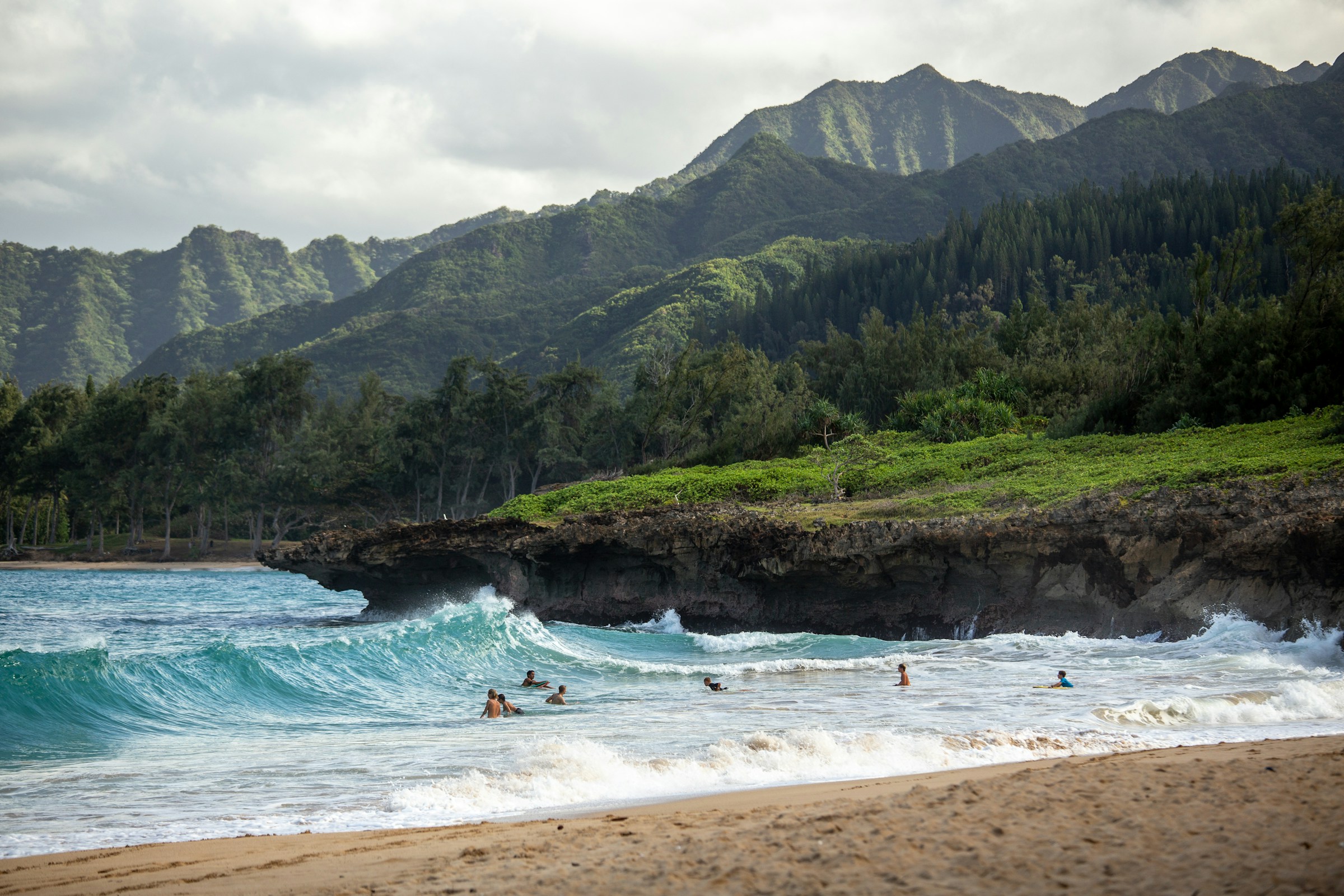
Hawaii state authorities have approved an initiative to raise the tax on tourist accommodation — hotels, rental homes, and short-term lodging. The additional revenue is planned to go toward nature conservation projects and climate change adaptation.
Under the bill, set to go to a vote in the House and Senate on Friday, an additional 0.75% of the daily room rate will be added to the existing tax rate from 1 January 2026. Given the Democratic Party's overwhelming majority in both chambers, the bill is likely to pass. Governor Josh Green has already confirmed he is ready to sign it.
The new tax is expected to bring in an additional roughly $100 million a year for the budget. The funds will go toward beach restoration, installing hurricane-resistant roof fastenings on private homes, and removing invasive vegetation that contributed to the catastrophic Lahaina fire two years ago.
The governor noted that after the tragedy on Maui, which claimed 102 lives and caused $13 billion in damage, decisive action is needed. According to him, this move will make Hawaii the first state in the US to use a tourist tax specifically to fund environmental initiatives.
Andrey Yushkov, an analyst at the Tax Foundation, confirmed he is not aware of similar examples in other states, where a tourist tax is used exclusively to address the effects of climate change.
How much will tourists pay now?
Currently, tourists already pay a 10.25% accommodation tax, plus an additional 3% in each county and a 4.712% general sales tax. After the increase, the total tax burden will be almost 19% — among the highest in the US. Only Omaha (20.5%) and Cincinnati (19.3%) are higher, according to 2024 data from consulting firm HVS.
Despite the increase, authorities are counting on understanding from travellers. Green is convinced that tourists are willing to pay more to help preserve natural attractions — such as the Road to Hana on Maui and Oahu's North Shore coastline.
Industry reaction — cautious optimism
Representatives of the hospitality industry expressed cautious satisfaction with the authorities' decision. Jerry Gibson, president of the Hawaii Hotel Alliance, noted that the industry is relieved the rate wasn't raised even further, as had previously been proposed. While no one in the tourism sector welcomes higher taxes, the need for additional funding is recognised.
Gibson added that if the funds are indeed used to improve the environment and infrastructure, the investment will prove worthwhile.
Hawaii has traditionally struggled to fund environmental programmes — from coral protection and weed control to preventing tourists from disturbing wildlife. In addition, the state must maintain an extensive network of hiking trails that are becoming increasingly popular with visitors.
Earlier, there was discussion of introducing a paid licence for visiting national parks, as well as a mandatory $50 fee per incoming tourist, but this was rejected as unconstitutional under US law. Raising the accommodation tax became the compromise option.
Funding shortfall and next steps
According to calculations by the Care for Aina Now advocacy group, Hawaii faces an annual funding shortfall of $561 million for conservation measures. While the tax increase won't fully cover it, authorities plan to issue bonds to increase the funds available.
Most of the new revenue will go toward short-term projects to be completed within one to two years. Between $10 million and $15 million will be allocated to long-term infrastructure initiatives.
As Climate Advisory Board member Kawika Riley noted, the new tax reflects Hawaiian wisdom: "You're only a stranger once." He explained that while no one is asking tourists to work, it matters that visitors take part in preserving the nature they come to appreciate.
#USA