06.01.2026
Bulgaria launches a residence permit for digital nomads
updated on 10.08.2026
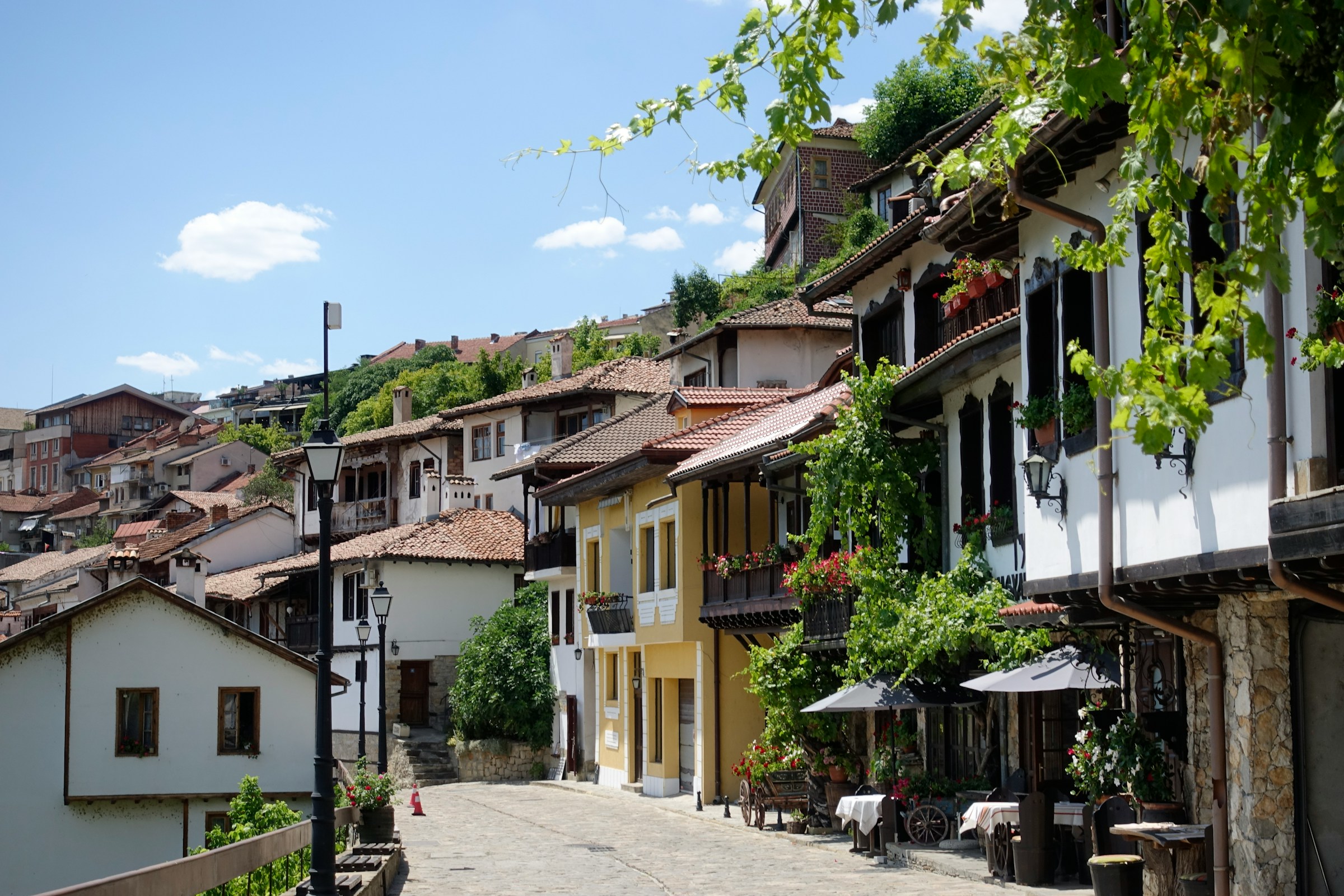
From 20 December 2025, Bulgaria began accepting residence permit applications for digital nomads. The country has been part of the Schengen Area since March 2024, and the new category is the first legally established residence mechanism for remote employees and owners of foreign businesses.
The new residence permit is available to foreign nationals who work remotely for an employer or run a business outside the EU, EEA, and Switzerland.
Financial requirement
The key condition is proof of average annual income of at least €31,000 for the previous calendar year. The threshold is calculated as 50 times the minimum monthly wage in the country (a minimum of €620 as of January 2025).
Validity period
The permit is issued for 1 year and can be renewed once for another year. It does not by itself provide an "automatic" path to permanent residency: securing that status further would require switching to a different type of residence.
Three applicant categories
The law provides for three categories of foreigners who may qualify for this type of residence permit:
- \n
- Remote employees — applicants employed by a company registered outside the EU/EEA/Switzerland who work remotely and meet the minimum income level. \n
- Owners and managers — individuals who are part of a company's management body or own more than 25% of a business registered outside the EU/EEA/Switzerland, provided they do not provide services to individuals or legal entities in Bulgaria. \n
- Experienced remote service providers — applicants who, for at least one year before applying, have provided remote services using technology, do not work for Bulgarian organisations, and do not carry out freelance activity within Bulgaria. \n
What documents are requested
Employed remote workers must confirm their employment relationship (employment contract). Those providing remote services need a package of service agreements, plus reference letters and/or confirmations from clients.
How to apply
The procedure has several stages. First, you need to obtain a multiple-entry visa to Bulgaria — review can take 1 to 2 months. After entry, the applicant submits the same document package to Bulgarian authorities; this stage usually takes 2–4 weeks. An ID card is then issued, which can take 3 to 30 calendar days. Holders of this residence permit can also sponsor family members through family reunification.
An investor programme runs in parallel
Besides the digital nomad route, Bulgaria also keeps an investment option: an accelerated path to permanent residency for investing 1 million Bulgarian leva (BGN) (about $602,000) in business projects or funds. Under this scheme, successful applicants get permanent residency upon approval and can apply for citizenship in roughly six years.
Context: what other EU countries offer
European digital nomad programmes vary noticeably in requirements and timelines — from high financial thresholds and short-term permits to more flexible regimes with a path to renewal. The overall trend is clear: the region is actively competing for mobile professionals, offering legal mechanisms for residence and remote work. We've previously listed the most popular destinations for digital nomads — comparing conditions and explaining why these countries are more often chosen for relocation.
#VisaBulgariaSchengen