
10.02.2025
Землетрясения на Санторини: что нужно знать, если у вас запланирована поездка
обновлено 10.08.2026
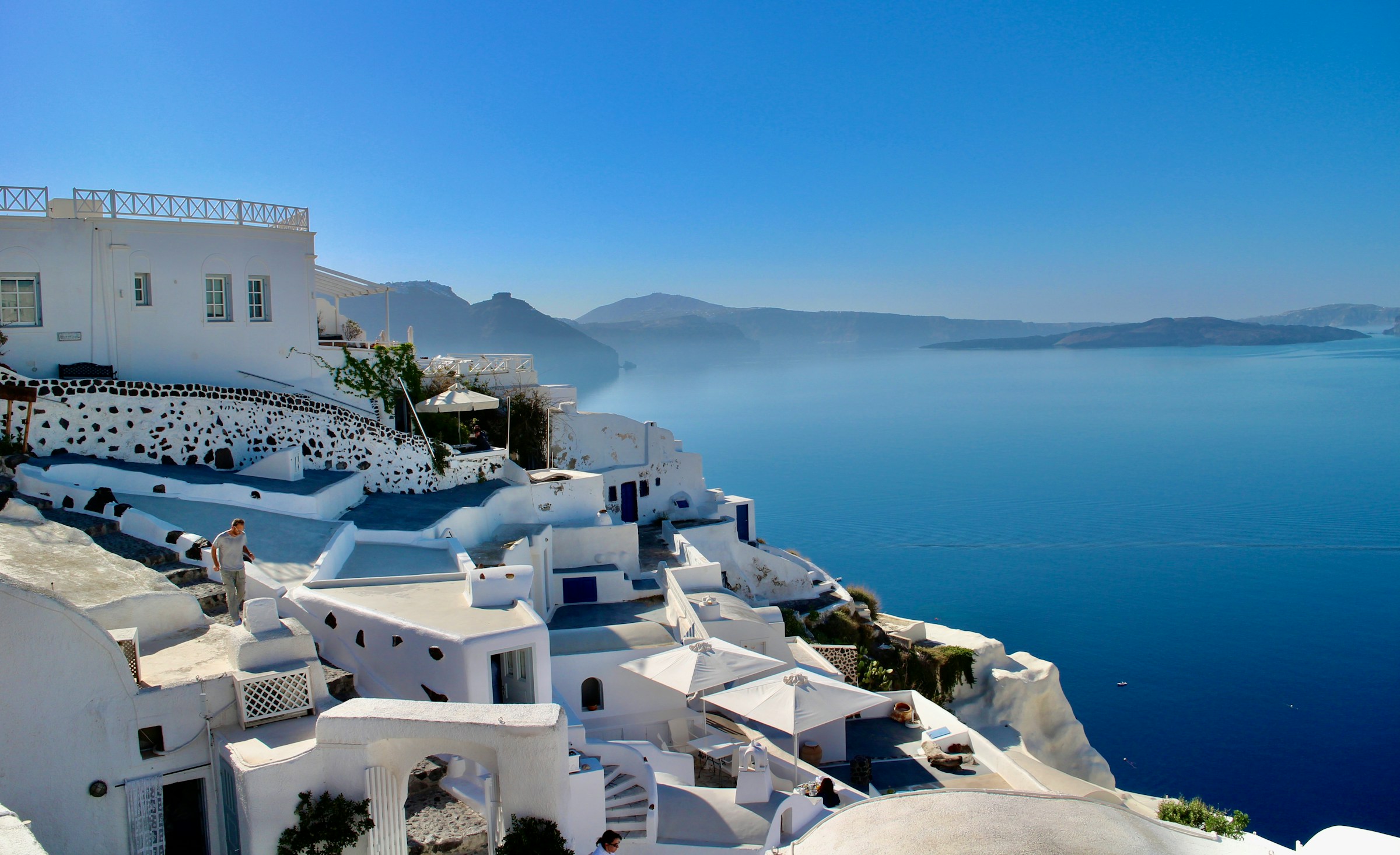
На греческом острове Санторини зафиксирована серия подземных толчков, что привело к принятию экстренных мер. Власти направили спасательные службы, включая кинологов и дроны, а также временно закрыли учебные заведения на четырех островах. Жителям и туристам рекомендовано соблюдать повышенные меры предосторожности, избегать массовых мероприятий в помещениях и находиться вдали от потенциально опасных зон.
Из-за более 200 подводных землетрясений, зафиксированных за последние трое суток, аналогичные меры предосторожности введены и на других островах Эгейского моря, популярных среди туристов.
«Все меры являются превентивными, однако ситуация находится под пристальным контролем», — заявил министр гражданской защиты Василис Кикилиас по итогам экстренного заседания правительства в Афинах. Он призвал жителей и гостей строго соблюдать рекомендации по безопасности.
Тысячи жителей, сезонных работников и туристов уже покинули острова Кикладского архипелага. В ответ на рост пассажиропотока транспортные компании увеличили количество рейсов паромов и авиаперевозок.
Закрытие школ и меры безопасности
Несмотря на заявления специалистов о том, что текущая сейсмическая активность не связана с вулканом Санторини, частота и сила подземных толчков вызывают обеспокоенность.
«Я никогда не ощущал ничего подобного: землетрясения происходят каждые 10–20 минут», — рассказал местный житель и руководитель филармонического оркестра Санторини Михалис Геронтакис. По его словам, тревожность ощущают все, даже если не показывают этого.
В течение выходных и в начале недели правительство обсуждало ситуацию с экспертами. Власти приняли решение закрыть школы не только на Санторини, но и на близлежащих островах — Аморгос, Анафи и Иос.
Дополнительные меры предосторожности для туристов и отелей
Посетителям и жителям Санторини рекомендовано избегать старых зданий, людных помещений и зон, подверженных оползням. Кроме того, отели получили распоряжение слить воду из бассейнов, чтобы избежать структурных повреждений зданий при возможных мощных толчках.
Министерство иностранных дел Великобритании обновило рекомендации для поездок на Санторини и Аморгос, подчеркнув необходимость следовать указаниям греческих властей. В частности, туристам советуют избегать портов Амуди, Армени, Корфос и Старого порта в районе Фиры, а также выбирать безопасные маршруты передвижения.
В случае сильного толчка необходимо немедленно покинуть прибрежные зоны и следовать инструкциям местных служб.
Возможность возврата средств за отмененные поездки
Вопрос возврата оплаты за тур зависит от причины отмены и условий бронирования.
«Туристы, планирующие поездку на Санторини в ближайшие дни, должны связаться с авиакомпанией или туроператором для уточнения ситуации», — поясняет Эрнесто Суарес, генеральный директор страховой компании Gigasure.
Если перелет или тур отменены по решению авиакомпании или оператора в связи с риском для безопасности, возможен возврат средств. Однако, поскольку землетрясения считаются природными катаклизмами, авиаперевозчики не обязаны предоставлять компенсацию за отмененные рейсы.
Владельцы страховки, включающей покрытие форс-мажорных обстоятельств, могут рассчитывать на возмещение расходов при задержке, отмене поездки или вынужденном продлении пребывания.
Если же турист самостоятельно решает отказаться от поездки, не дожидаясь официальной отмены, компенсация, как правило, не предусмотрена. Рекомендуется изучить условия страхового полиса для уточнения деталей.
Прогноз сейсмологов и уровень риска
Известный греческий сейсмолог Герасимос Пападопулос предупредил, что текущая серия землетрясений, зафиксированная между островами Санторини, Иос, Аморгос и Анафи, может предвещать более сильный подземный толчок.
«Ситуация остается неопределенной. Мы видим увеличение количества землетрясений, рост их магнитуды и смещение эпицентров. Несмотря на то, что эти толчки носят тектонический, а не вулканический характер, уровень риска повышается», — отметил эксперт.
Власти Санторини организовали пункты сбора населения в случае возможной эвакуации. Однако мэр острова Никос Зорзос подчеркнул, что такие меры носят исключительно профилактический характер: «Мы обязаны быть готовыми ко всему, но это не означает, что худший сценарий непременно реализуется». Он также призвал жителей и туристов сохранять спокойствие и ориентироваться на официальные источники информации.
#GreeceSchengen