
20.04.2025
UNESCO adds 16 new sites to the Global Geoparks network
updated on 12.07.2026
UNESCO has announced Global Geopark status for 16 new sites, each distinguished by unique geological heritage of international significance and contributing to sustainable tourism, education, and regional development. The total number of UNESCO Geoparks has reached 229, now spanning 50 countries.
The official decision was announced on 17 April by UNESCO Director-General Audrey Azoulay. "UNESCO Global Geoparks are a symbol of our planet's diversity and a reflection of humanity's deep connection with nature," Azoulay said. "They play a key role in preserving natural heritage and support sustainable economic development."
Geographic diversity and new regions
This year, geoparks have appeared across four continents at once, including the first sites in Saudi Arabia and the Democratic People's Republic of Korea. This reflects UNESCO's drive to expand the geopark network in regions that were previously underrepresented.
Asia and the Middle East
- \n
- Kanbula (China): Known for the red rock formations of Danxia and alpine forests on the Tibetan Plateau, as well as important sites of Tibetan Buddhism. \n
- Yunyang (China): An area near the Three Gorges Reservoir with a wealth of dinosaur fossil finds, illustrating the geological history of the Triassic and Jurassic periods. \n
- Danyang (Republic of Korea): Combines karst landscapes with cultural monuments of traditional Korean architecture. \n
- Gyeongbuk Donghaean (Republic of Korea): A coastal park with volcanic formations, cliffs, and a rich marine ecosystem. \n
- Mount Paektu (DPRK): A volcanic mountain with a crater lake, of major cultural and spiritual significance, with unique high-altitude ecosystems. \n
- North Riyadh (Saudi Arabia): Known for its limestone plateau and ancient rock art revealing the geological history of the deserts. \n
- Salma (Saudi Arabia): A mountainous area with diverse desert landscapes and evidence of tectonic activity. \n
- Lang Son (Vietnam): A northern region with karst formations, caves, and a rich cultural heritage of various ethnic groups. \n
Latin America
- \n
- Napo-Sumaco (Ecuador): A geopark in the Amazon basin, combining volcanic features with high biodiversity and Kichwa cultural heritage. \n
- Tungurahua Volcano (Ecuador): An active volcano and an important centre for geotourism and the study of volcanic phenomena. \n
Southeast Asia
- \n
- Kebumen (Indonesia): A coastline with limestone rich in fossils and high marine biodiversity. \n
- Meratus (Indonesia): South Kalimantan, with ancient rock formations and the culture of the indigenous Dayak Meratus people. \n
Europe
- \n
- Murge (Italy): A karst plateau with caves and traces of some of the earliest human settlements. \n
- Fjord Coast (Norway): A region with deep fjords and sheer cliffs, vividly demonstrating the effects of glaciation. \n
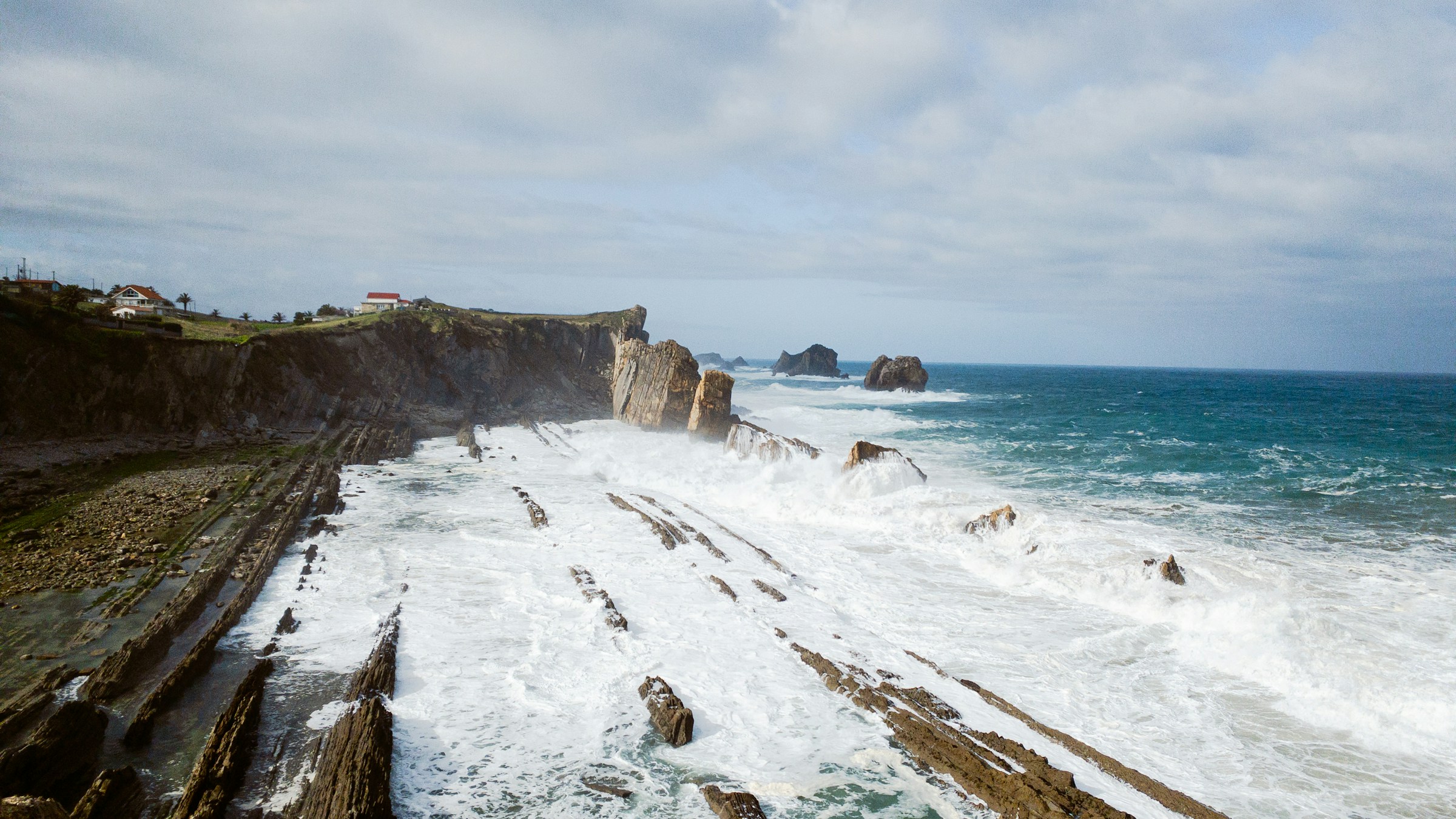
- Costa Quebrada (Spain): Coastal cliffs with a rich palaeontological history in Cantabria. \n
- Isle of Arran (United Kingdom): A Scottish island with diverse geological formations, some more than two billion years old. \n
A platform for education and sustainable tourism
UNESCO Global Geoparks are aimed at preserving natural heritage and supporting local communities through environmental education, scientific research, and cultural exchange.
"Geoparks are not just about geology," Azoulay noted. "They support local populations, promote education, and develop responsible tourism, raising awareness and resilience in the face of climate challenges."
The new geoparks will receive UNESCO support as part of a broader strategy to expand the network in Africa, the Arab states, and small island nations. This includes dedicated training programmes and expert visits.
Thus, the expansion of the Global Geoparks network confirms the importance of these sites in studying Earth's history and addressing today's environmental challenges.
#TravelItalyNorwayUKSpainChinaKorea