
26.01.2025
Nice wants to ban cruise ships to fight overtourism
updated on 10.08.2026
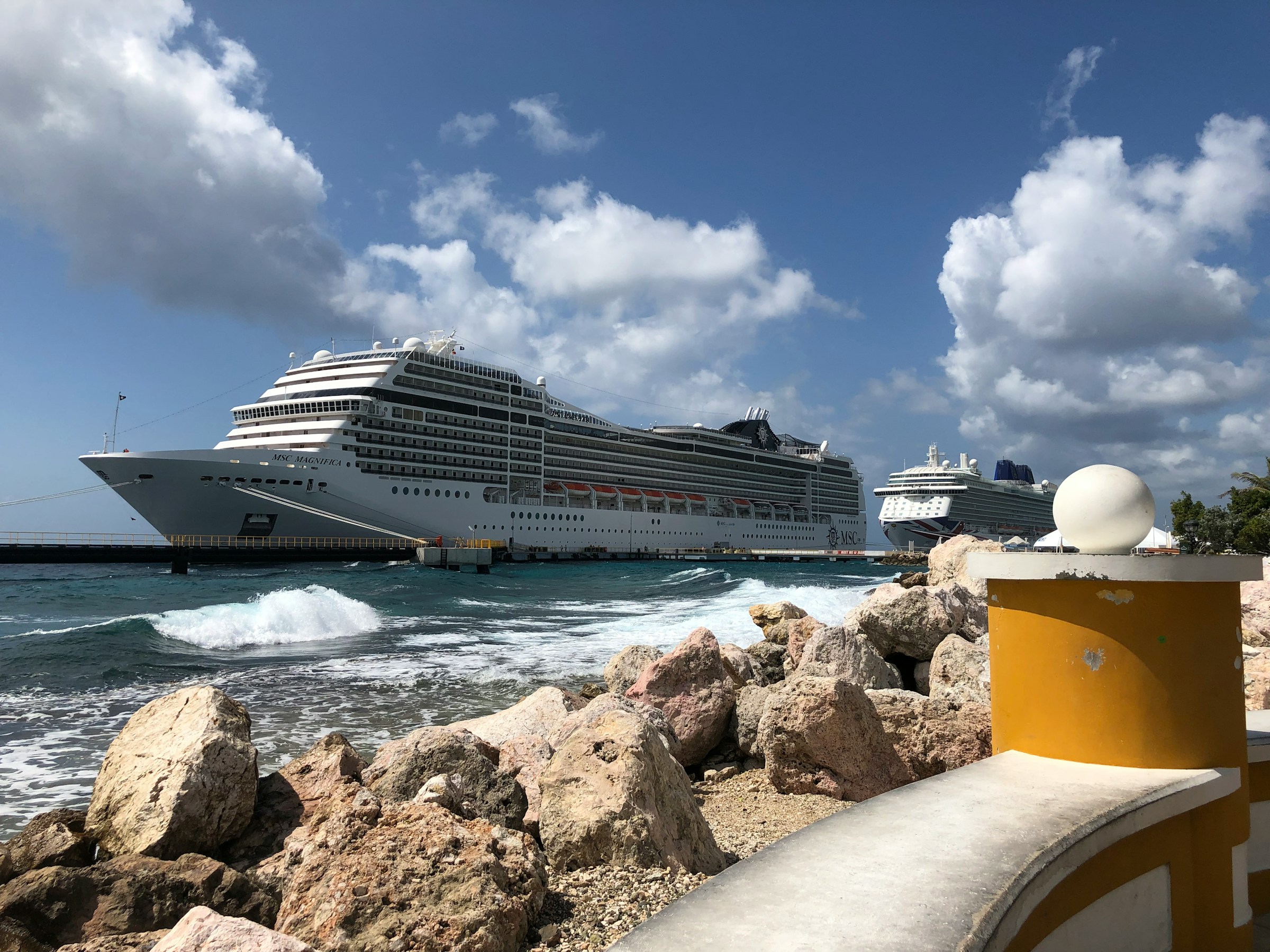
Nice Mayor Christian Estrosi, seeking to protect the city from the negative impact of mass tourism, has announced plans to ban large cruise ships from docking. The decision is driven by a desire to protect the environment and residents' quality of life.
A high-profile statement and the mayor's plans
During his traditional New Year address, Mayor Christian Estrosi made a surprising announcement: "Cruises that pollute the environment, leave waste behind, and bring nothing to the city are not welcome here. We stopped the overdevelopment that could have suffocated Nice, and we won't let overtourism suffocate it either."
Estrosi added: "I don't want floating hotels dropping anchor off the coast of Nice."
According to a statement from his administration, from 2025 the city will ban cruise ships longer than 190 metres and carrying more than 900 passengers. This measure, according to the mayor, will cut the number of cruise tourists by 70%.
"We want the ban to take effect as early as 1 July 2025, without waiting until January 2026. We are reviewing contracts and working to cancel scheduled cruises," Estrosi clarified.
Why does this matter?
As in many other European cities, residents of Nice, one of France's main tourist destinations, are tired of the influx of cruise tourists. According to Eurostat, a record number of passengers passed through EU ports in 2023 — 16.4 million, five million more than a decade earlier.
Modern cruise ships keep getting bigger. For example, Celebrity Cruises' Apex, an Edge-class ship 306 metres long, brings more than 3,400 passengers and 1,300 crew members to small ports such as Villefranche-sur-Mer, which has a population of just 5,012.
Although tourism accounts for around 40% of Nice's revenue, cruise tourists spend significantly less than other travellers. Studies show that up to 40% of passengers never leave the ship at all, and those who do go ashore spend an average of less than €23. By comparison, the cruise industry claims passengers spend around €91 a day.
Besides the economic angle, Estrosi points to environmental damage. Modern cruise ships emit around 250 grams of CO2 per passenger-kilometre, ten times more than aircraft. In addition, ships pollute water with heavy metals, threaten marine flora and fauna, and worsen air quality.
Reaction and challenges
Many Nice residents support the mayor's initiative. "For environmentalists, this is a major victory. We've fought for years against cruise ships that pollute air and water, damage biodiversity, and drive mass tourism," said Juliette Chenal-Leroux, leader of the Green party in Nice.
However, not everyone is happy with the proposal. City Green councillor Hélène Granouillac called the measures "cosmetic" and voiced concern for the local economy. Representatives of the organisation "Stop Cruises" also noted that Estrosi's proposal targets large-scale cruises but leaves yachts and small vessels untouched.
Scepticism is further fuelled by the fact that the final decision on the ban will depend on port authorities and the chamber of commerce. In addition, cruises already scheduled for 2025 include 124 port calls in the region.
Contradictions and outlook
The mayor's initiative coincided with the announcement that Nice will host the UN Ocean Conference in June. However, some consider Estrosi's policy inconsistent: in 2024, Nice expanded its airport, increasing capacity from 14 to 18 million passengers a year. The city will also host a yacht show in September.
Although the mayor's statement drew a positive response from environmentalists, its implementation raises questions. Nevertheless, this step marks an important signal in the fight against overtourism and the protection of the Mediterranean environment.
#FranceSchengen