
04.05.2025
The Giza pyramid complex gets a major overhaul after years of neglect
updated on 10.08.2026
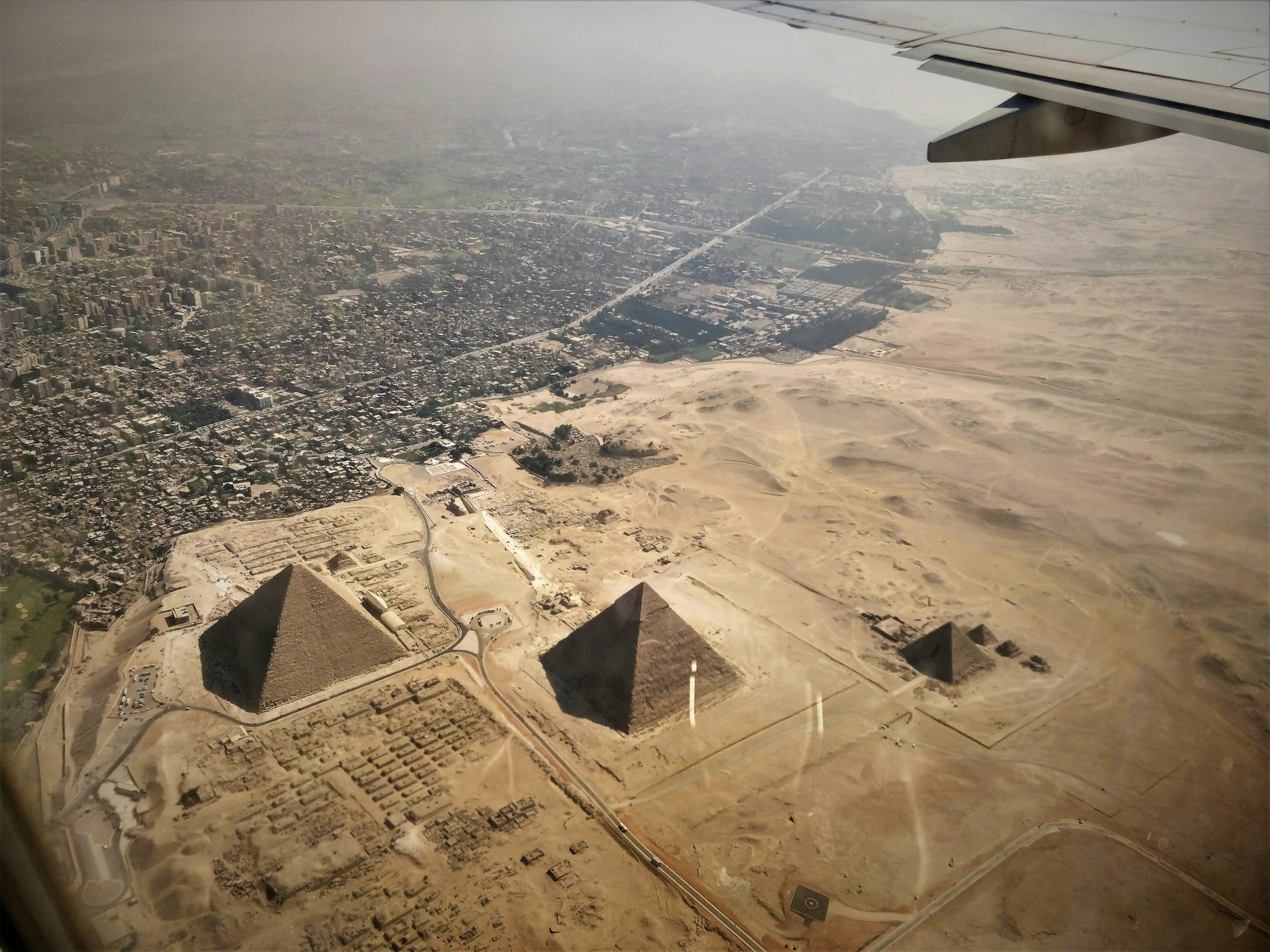
Egyptian authorities have allocated €45 million for a large-scale renovation of the pyramid and Sphinx complex at Giza. The decision is a response to prolonged inaction, weak management, and growing tourist frustration. One of the most revered UNESCO World Heritage sites had long suffered from disorder, aggressive vendors, and inadequate infrastructure.
In recent years, visitors coming to admire the grandeur of the Pyramid of Khufu and its famous guardian, the Great Sphinx, have increasingly encountered noise, crowds, and chaotic conditions. Growing popularity was not matched by proper modernisation, which made urgent renovation necessary.
Modern challenges and modernising the complex
For millennia, Giza symbolised the engineering power of ancient Egypt. Today, this idea is being reimagined through the lens of modern approaches: the renovation project aims to adapt the complex to the realities and demands of 21st-century tourism.
Every year, millions of tourists put enormous pressure on the service system and the environment. Traffic jams near the main entrance, next to the Marriott Mena House hotel, whose windows offer a view of the Pyramid of Khufu, have become a common occurrence. Criticism has also touched on cases of animal mistreatment, poor conditions for visitors, and numerous instances of vendors scamming tourists.
Discontent had been building for a long time, but the problem was brought into sharp focus by viral posts and negative reviews online. This raised concerns for the future of the tourism industry, which accounts for around 10% of Egypt's GDP and welcomes 17.5 million tourists a year. Against the backdrop of a stated goal of 30 million by 2030, authorities could not ignore the reputational damage at stake.
Project implementation and the disputes it sparked
To improve the situation, the state brought in Egyptian private company Orascom Pyramid Entertainment. A new visitor centre with restaurants, cafés, and souvenir shops has already opened, eco-friendly electric buses have been introduced to reduce noise and air pollution, and an electronic ticketing system has been rolled out to cut queues and ease entry.
However, the project's implementation has sparked controversy. Tourists complained of poor organisation during the trial period and long waits under the open sun. Street vendors and animal handlers, many of whom had worked at Giza for generations, opposed being relocated to distant parking areas, fearing a loss of income.
Orascom Investment Holding founder Naguib Sawiris said vendors who refused to relocate would be barred. He stated: "The well-being of society and the preservation of national heritage matter more than the interests of 2,000 people who have been harming the country for years."
What has already changed and what's planned
The project includes new entrances via the Cairo–Fayoum road, restoration of historic sites, development of online services, a complete switch from animals to electric buses, and tighter controls on vendors to curb fraud and aggressive selling.
Between preservation and development
The days when Louis Armstrong played his trumpet at the foot of the Sphinx are long gone. Today, the Giza plateau, once standing at the edge of the desert, is gradually being surrounded by an expanding Cairo, which complicates the task of balancing the preservation of cultural heritage with its modernisation.
If the project is carried out with the same care that went into building the pyramids, the renovated complex will offer tourists a new level of experience while also protecting Egypt's priceless heritage.
#Travel