
07.05.2025
Филиппины запускают визу для цифровых кочевников
обновлено 10.08.2026
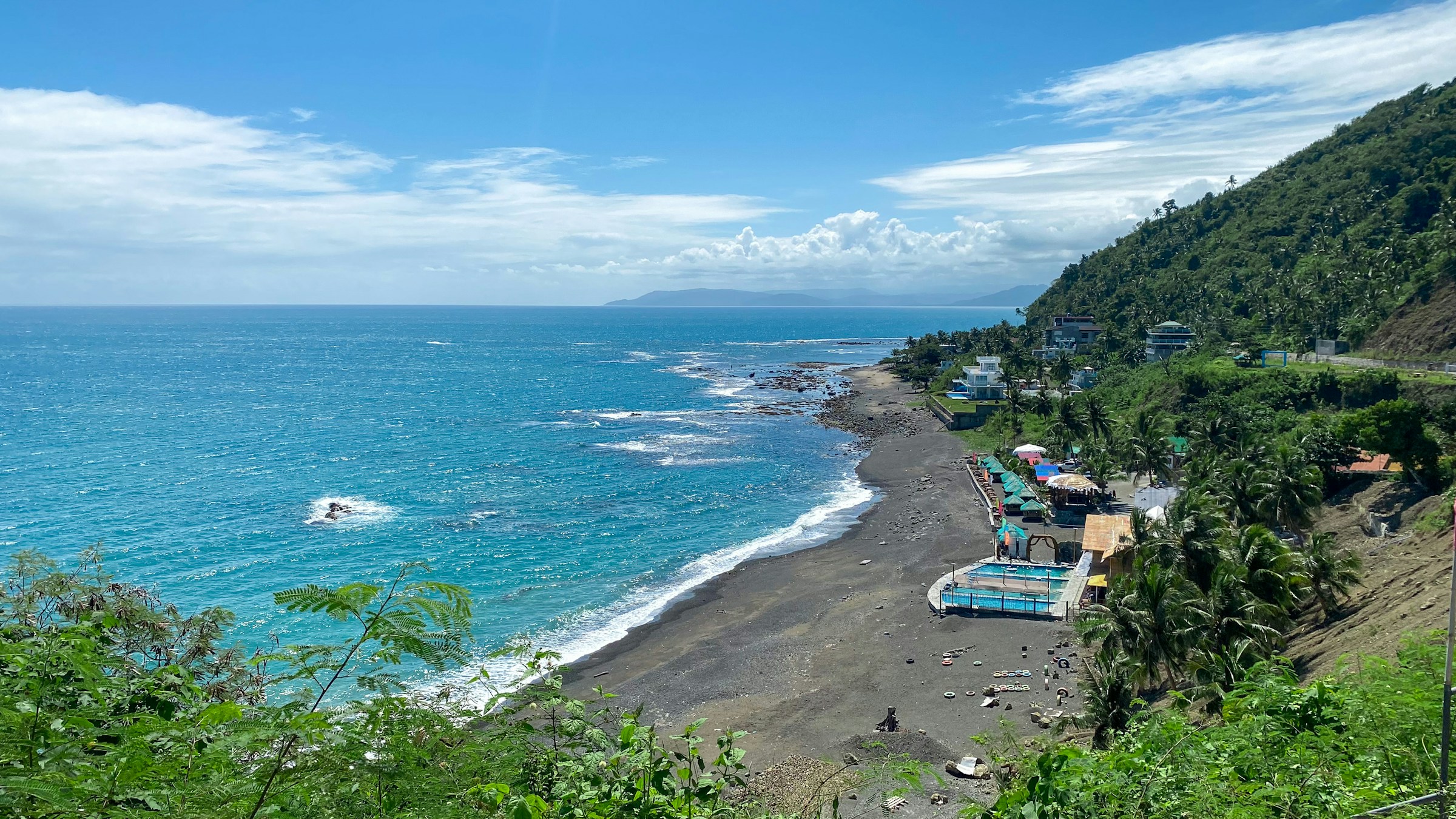
Филиппины готовятся присоединиться к числу азиатских стран, активно развивающих программы для привлечения удалённых работников из-за рубежа. В ближайшее время в стране планируется запуск визы для цифровых кочевников (Digital Nomad Visa, DNV), которая позволит иностранным гражданам проживать и работать в англоязычной среде сроком до одного года с возможностью продления. Уникальное сочетание благоприятного климата, низкой стоимости жизни и развитой цифровой инфраструктуры делает Филиппины привлекательным направлением для удалённой занятости.
Ожидается, что программа начнёт действовать в течение ближайших двух месяцев — как раз к началу летнего туристического сезона в северном полушарии. Несмотря на отсутствие точной даты запуска, правительство уже завершило основные этапы согласования.
Основные требования к заявителям
Программа уже получила одобрение президента Фердинанда Маркоса-младшего. Подать заявление на визу смогут следующие категории иностранцев:
- совершеннолетние иностранцы (от 18 лет),
- с действующей медицинской страховкой,
- без судимости,
- с подтверждённым годовым доходом не менее €24,000,
- являющиеся гражданами стран, с которыми у Филиппин заключены соглашения о взаимном безвизовом въезде.
Процесс оформления полностью переведён в онлайн-формат в рамках модернизации государственных услуг. Координацией внедрения программы занимаются сразу несколько ведомств, включая Министерство иностранных дел, Миграционную службу, Министерство туризма и Налоговое бюро, что должно обеспечить организованное и эффективное внедрение.
Преимущества для соискателей и страны
Министр туризма Кристина Фраско подчеркнула, что новая инициатива станет частью долгосрочной стратегии по стимулированию турпотока. «Продление сроков пребывания гостей за счёт удалённой занятости способствует развитию локального туризма и увеличению потребительских расходов», — отметила она. Власти рассчитывают, что цифровые кочевники помогут сбалансировать туристическую активность в течение всего года и укрепят культурные связи с местным населением.
Филиппины обладают рядом уникальных преимуществ: высокий уровень владения английским языком среди взрослого населения, охват интернета около 90%, а также доступный уровень цен на жильё и услуги. Удалённые сотрудники найдут комфортные условия как в городских коворкингах Себу, так и на побережьях с высокоскоростным Wi-Fi, например, в Сиаргао. «Сочетание природной красоты, яркой культуры и гостеприимства делает наши острова идеальным выбором для тех, кто совмещает работу и путешествия», — добавила министр.
Контекст в регионе и мире
Число цифровых кочевников во всём мире стремительно растёт: с 10,9 млн в 2020 году до 35 млн сегодня, и, по прогнозам, достигнет 60 млн к 2030 году. Совокупный вклад этой категории работников в мировую экономику оценивается в $787 млрд ежегодно. Большинство из них зарабатывает свыше $50,000 в год, а 35% имеют доход от $100,000 до $250,000. При этом около 40% стран, предлагающих визы DNV, не обязывают резидентов уплачивать местные налоги, а 17% вообще не устанавливают минимального порога дохода.
Филиппины идут по пути других стран региона, запустивших аналогичные программы в 2024 году. В их числе — Южная Корея, Япония, Индонезия, Турция, Таиланд и Казахстан. Так, Япония ориентирована на специалистов с доходом от €62,860 в год и предлагает визу на шесть месяцев, а Турция установила порог в €33,800. Казахстанская программа «Neo-Nomad Visa», подчеркивающая национальные традиции кочевничества, нацелена на привлечение IT-специалистов и предполагает экономический эффект до €6,7 млн.
На фоне усиливающейся глобальной конкуренции Филиппины стремятся выделиться не только выгодными условиями, но и уникальной культурной и природной средой.
#Travel