
04.05.2025
Everest climbs to become available only to experienced mountaineers
updated on 10.08.2026
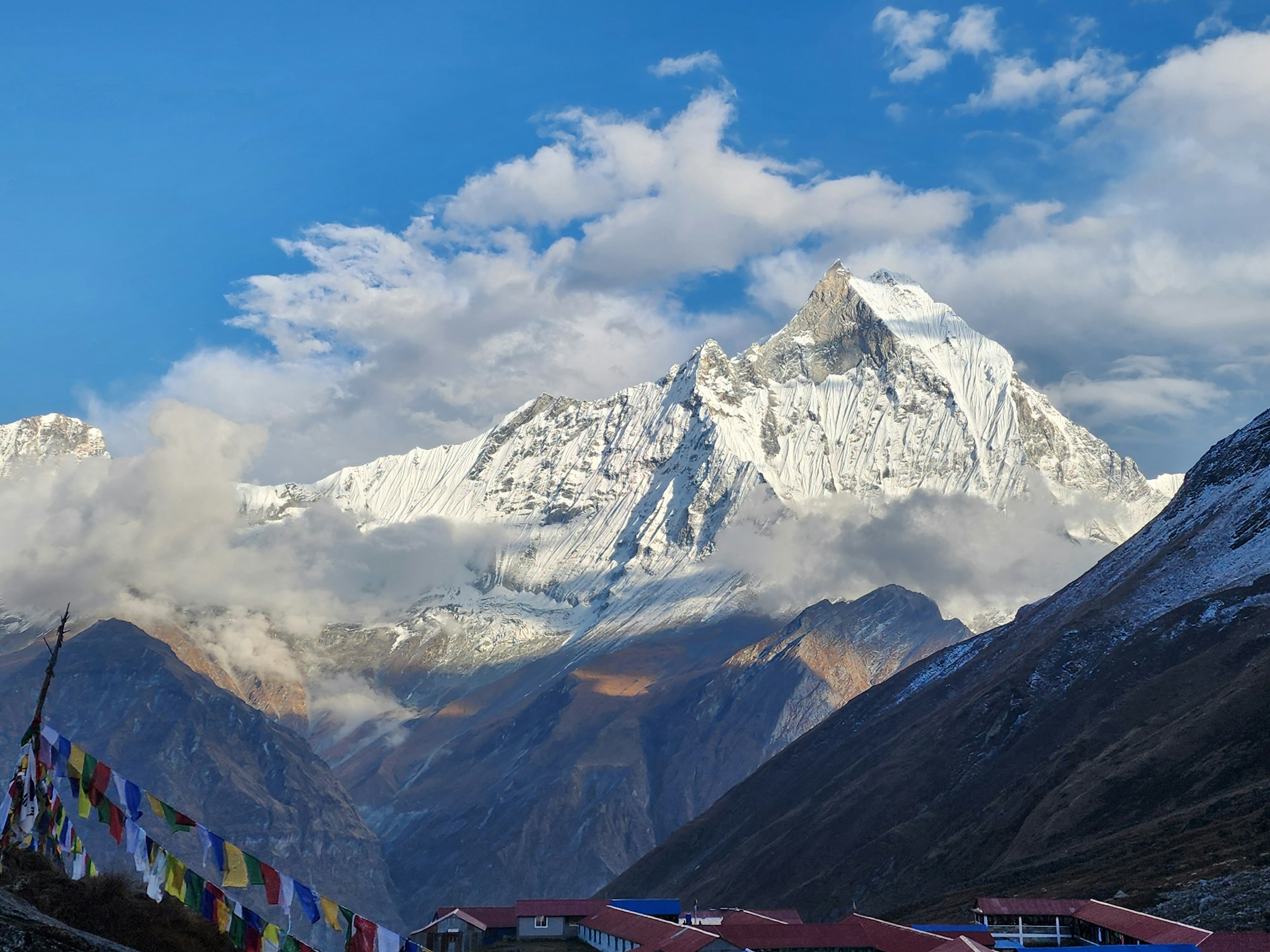
Nepalese authorities are preparing to introduce new requirements for mountaineers wishing to climb Everest. Under a draft law, only those who have already summited at least one peak in Nepal of 7,000 metres or higher will be able to obtain a climbing permit. The measure is aimed at reducing the number of climbers, improving safety, and protecting the fragile Himalayan ecosystem.
In recent years, the influx of tourists has led to long queues forming at Everest's summit for photos, which have become an obligatory part of the climbing experience. The new restrictions are meant to prevent such situations.
Tourism, especially mountain tourism, plays an important role in Nepal's economy, bringing in foreign currency revenue. An Everest climbing permit alone costs around €14,000, not counting other expenses. From September 2025, the cost of this permit will rise by 36%.
The new law, debated in parliament on 18 April, is part of the Integrated Tourism Act. Among its goals are tackling overcrowding on routes, improving safety, and reducing environmental damage caused by rubbish and waste. The increasing frequency of unprepared tourists gathering in the so-called "death zone" — an area with extremely low oxygen levels — has already led to a rise in fatal incidents.
If the amendments are adopted, Everest applicants will be required to provide documentation confirming an ascent of a Nepalese peak above 7,000 metres. This is expected to significantly reduce the number of applications.
However, the initiative has drawn criticism from international expedition organisers. Lukas Furtenbach, representative of the Austrian company Furtenbach Adventures, said: "This doesn't make sense. Popular training peaks such as Ama Dablam, Aconcagua, Denali, and others should also be taken into account."
Garrett Madison of the American company Madison Mountaineering holds a similar view: "Finding a suitable peak above 7,000 metres in Nepal is extremely difficult. It would be better to allow climbs based on experience summiting a 6,500-metre peak in any country."
The route up Everest includes difficult sections with glaciers, fixed ropes, and two particularly dangerous zones — the Khumbu Icefall and the Hillary Step.
Other new requirements include a mandatory medical examination at an approved institution, advance notice of intent to break a record, and a requirement that the expedition leader (sirdar) hold Nepalese citizenship. The latter measure is aimed at increasing the share of revenue that stays within the country.
This provision has also drawn criticism. Furtenbach noted that Nepal lacks enough qualified guides. "The key factor should be holding an international qualification such as IFMGA, regardless of nationality. We're happy to hire Nepalese IFMGA guides to work in the Alps," he told Reuters.
#Travel