
16.04.2025
Norway considers introducing a tourist tax: what is known so far
updated on 10.08.2026
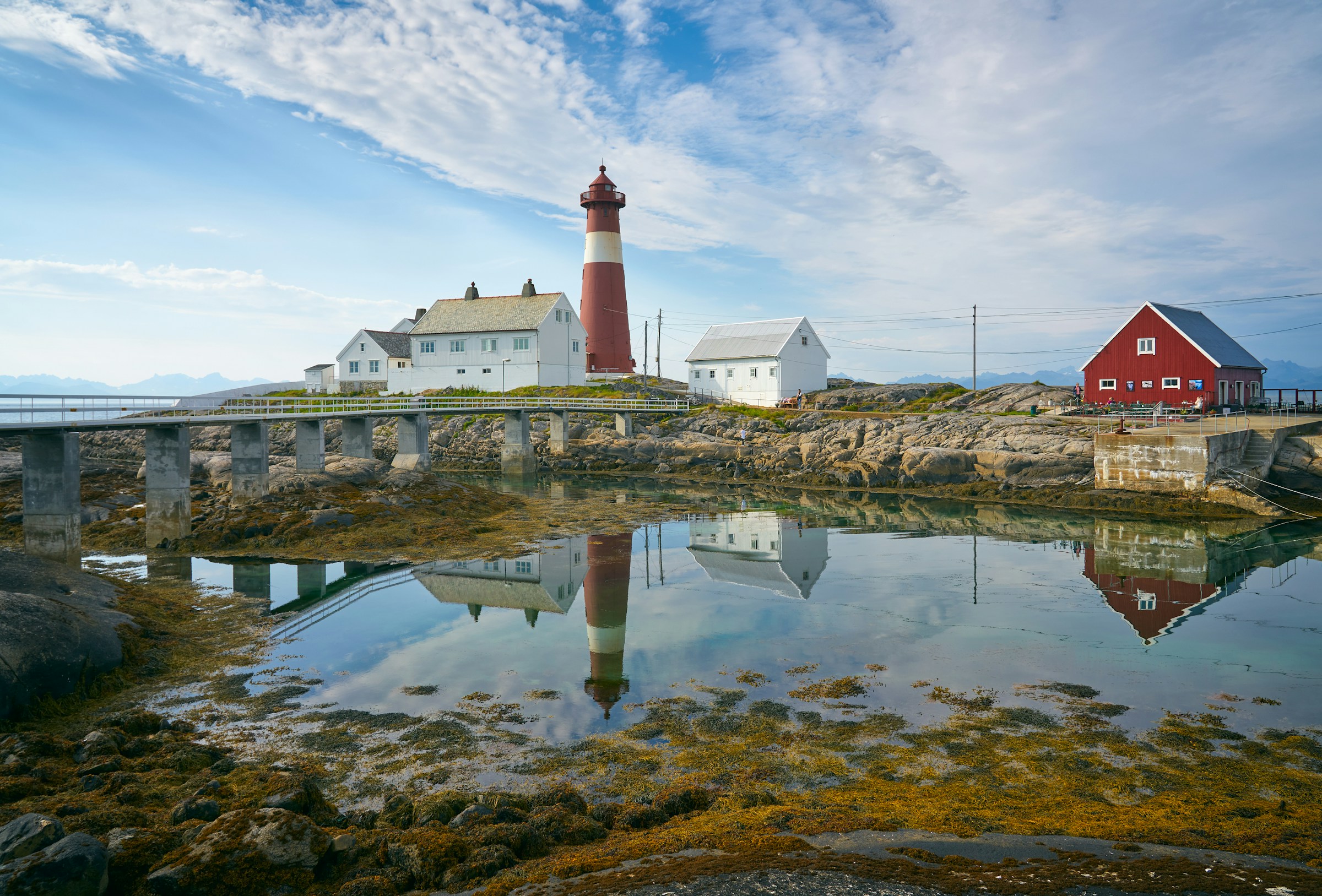
Norway is seeing a sharp rise in tourist numbers, as travellers increasingly choose northern destinations in search of cooler weather. In response, the government has updated its draft tourist tax, aimed at easing the effects of overtourism.
Trade and Industry Minister Cecilie Myrseth confirmed that the tax rate will be lowered from the previously proposed 5% to 3% of accommodation cost. This will allow regions to set their own charge for guests staying in hotels, hostels, campsites, and short-term rentals.
Revenue from the tourist levy is planned to go toward infrastructure that benefits both residents and visitors — for example, maintaining trails, sanitation facilities, and public restrooms.
The tax rate may vary by season. Myrseth stressed that the tourism burden is uneven: in some regions it is especially heavy during certain months, creating additional costs for local residents.
An exact launch date has not yet been set, but implementation as early as this summer is under discussion. The bill still needs parliamentary approval, and some political groups have already voiced opposition to the initiative.
The Confederation of Norwegian Enterprise (NHO), which represents the tourism industry, has criticised the proposed measure, warning it could deter potential tourists. A representative of the organisation called introducing the tax in the current climate "a reckless move."
Further concern stems from the fact that the levy is only planned to apply to overnight stays. Cruise passengers, day-trippers, and motorhome owners staying overnight at free parking areas would be exempt, despite their significant impact on overcrowded regions such as the Lofoten Islands and the Geiranger fjord.
Debate over a tourist tax in Norway has been going on for several years, driven by steady growth in visitor numbers. Hot weather in southern European countries such as Italy and Spain is fuelling interest in cooler destinations. Additional interest comes from nighttime natural phenomena such as the Northern Lights, which are forecast to be especially prominent in 2025.
Norway is not the only country taking steps to curb the effects of mass tourism. Similar measures are already being implemented in several European regions. For instance, Catalonia's tourist levy will rise significantly from late 2025 — with revenue earmarked partly for ensuring affordable housing for local residents. And in Venice, authorities have doubled the day-visitor fee during peak periods, aiming to reduce spontaneous trips and encourage more mindful trip planning, thereby easing pressure on city infrastructure. In this context, Norway's initiative reflects a broader European effort to develop a coordinated tourism policy that balances the interests of travellers with the needs of local communities.
#SchengenNorway