
18.05.2026
Italy officially launches a visa for digital nomads and remote employees
updated on 10.08.2026
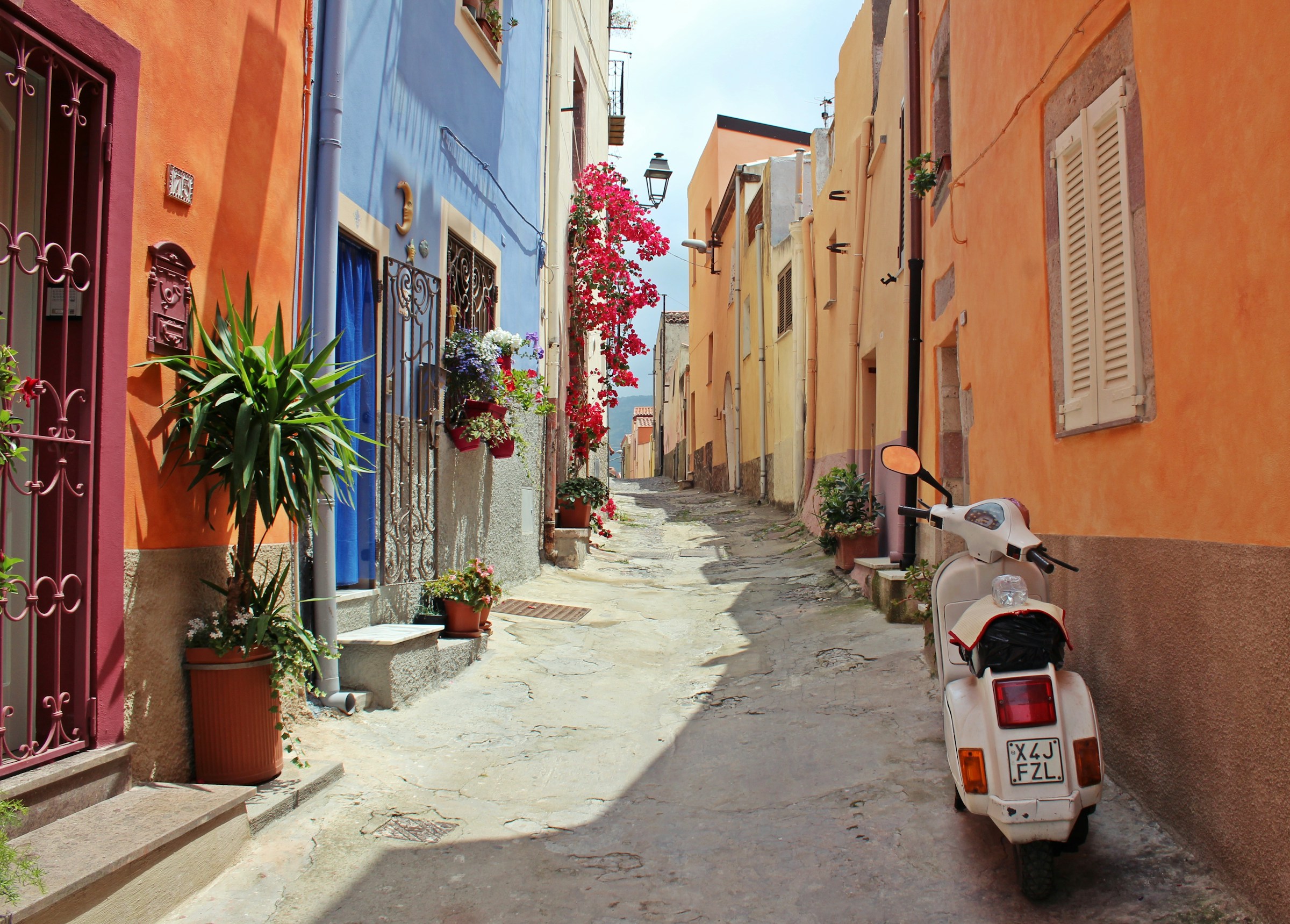
Italy has begun full processing of the Digital Nomad Visa — a visa for remote employees and digital nomads. The country's consulates have already published official requirements for applicants, including minimum income, proof of qualification, and mandatory housing in Italy.
The new category targets two groups of foreigners. The first is classic digital nomads: freelancers, consultants, and independent professionals. The second is remote workers — employees of companies who are permitted to work fully remotely. Employed applicants face additional checks on the employer and the employment contract.
At the same time, the programme turned out to be notably stricter than many expected: the visa is available only to highly qualified professionals. Italy explicitly states that the applicant must meet the criteria of Article 27-quater of the country's immigration law — a level of professions requiring higher education or at least three years of relevant experience or training.
In other words, Italy is betting not on a mass flow of "remote workers," but on qualified professionals with a clear source of income.
One of the key requirements is proven income. The minimum income threshold is at least €24,789 per year. Only active income from remote work counts: salary, contracts, client payments. Passive sources such as property rental, dividends, or benefits are not taken into account.
The applicant will also need:
— a lease agreement or housing in Italy for the entire period of stay;\n— medical insurance with coverage of at least €30,000;\n— proof of at least six months of work experience in their field;\n— documents on qualification or relevant education.
The published requirements specifically state that a hotel booking or an "invitation to stay with acquaintances" will not qualify. Applicants will need a full lease agreement, or property documents registered in their name.
For remote employees the requirements are even stricter: the employer must provide a letter confirming the company has not been found in breach of immigration or labour law in the past five years. In addition, the employee's salary must match the level set by Italian industry agreements and ISTAT statistics.
After entering on the national visa, the foreigner must apply for the Italian residence permit — Permesso di Soggiorno — within eight business days. Currently, this residence permit is issued for one year, renewable while employment, housing, and insurance are maintained.
The programme also allows the foreigner to bring a spouse and minor children to Italy. Parents and adult children are not yet included in the list of family members who can be sponsored under this category.
In practice, the launch of the Italian Digital Nomad Visa makes the country a fully-fledged player in the "visas for remote workers" market, where Portugal, Spain, Greece, and the UAE have long been competing. But Italy has taken a more conservative path: a high qualification bar and a strict document package are clearly designed not for a mass flow, but for well-off professionals with stable income.
#VisaItaly